
How Orbis Fire Suppression Systems Work
Automatic, enclosure-level fire detection and suppression, engineered to stop fires at the source.
Why Pre-Engineered Systems Matter
Orbis Fire systems are pre-engineered to eliminate unnecessary complexity:
- No flow calculations required
- Faster installation and commissioning
- Predictable, repeatable performance
- Reduced engineering and labor cost
- Simplified maintenance and servicing
The Core Principle: Suppress Fires Where They Start
Electrical faults, thermal runaway, and component failures generate intense heat long before a fire becomes visible outside an enclosure. Traditional room-level detection or manual extinguishers often respond too late.
Orbis Fire systems are installed directly inside the protected enclosure, allowing fires to be detected and suppressed at their earliest stage—before escalation, spread, or secondary damage occurs.
The Orbis Fire Suppression Workflow
Step 1: Fire Detection
Fire conditions are identified directly inside the enclosure using one or more detection methods:
Heat-sensitive detection tubing routed near fire-prone components
Smoke detection for early particulate recognition
Gas detection where off-gassing or flammable buildup is a risk
Manual activation for operator-controlled discharge when required
Detection occurs at the source without relying on room sensors or external systems.
Step 2: System Activation
Once a fire condition is detected, the system activates automatically through one of the following mechanisms:
Mechanical or pneumatic activation triggered by pressure loss in detection tubing
Electrical activation via a solenoid connected to a control panel or detector
Manual actuation through a dedicated release device
Activation logic is selected based on enclosure size, risk profile, and operational requirements.
Step 3: Agent Discharge
After activation, the suppression agent is released into the enclosure using one of two discharge strategies:
Localized discharge for immediate suppression at the ignition point
Distributed nozzle discharge for broader or multi-zone enclosures
Agent release is rapid, controlled, and engineered to achieve effective concentration within the protected volume.
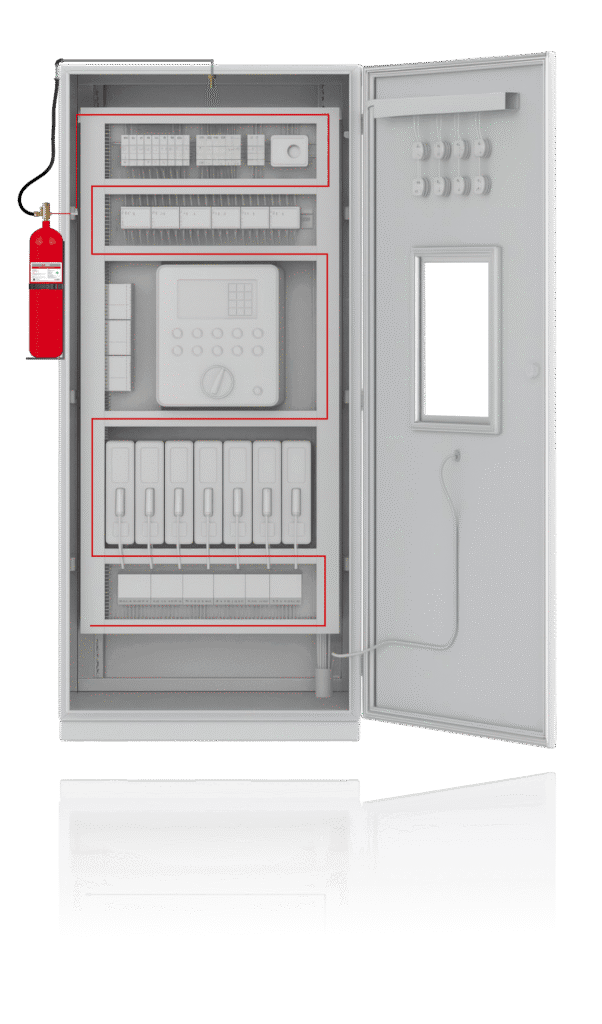
Step 4: Fire Suppression
The extinguishing agent suppresses the fire by rapidly removing heat, displacing oxygen, or interrupting the combustion process—depending on agent selection.
Because suppression occurs inside the enclosure, damage is minimized, downtime is reduced, and adjacent equipment remains unaffected.
Two Suppression Architectures
Orbis Fire systems are available in two fundamental protection architectures, selected based on enclosure size, complexity, and detection requirements.
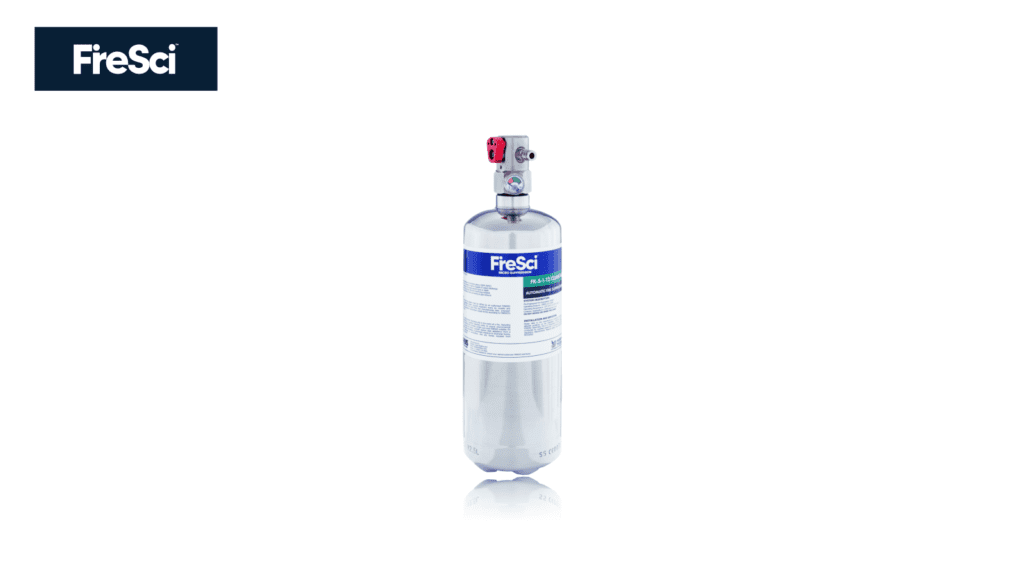
Direct Low Pressure Clean Agent Release System (DLP)
Orbis Fire’s DLP fire suppression systems activate in seconds, using a heat-sensitive tube to release clean agent directly at the ignition point. Stainless steel, DOT & CE approved for global safety.
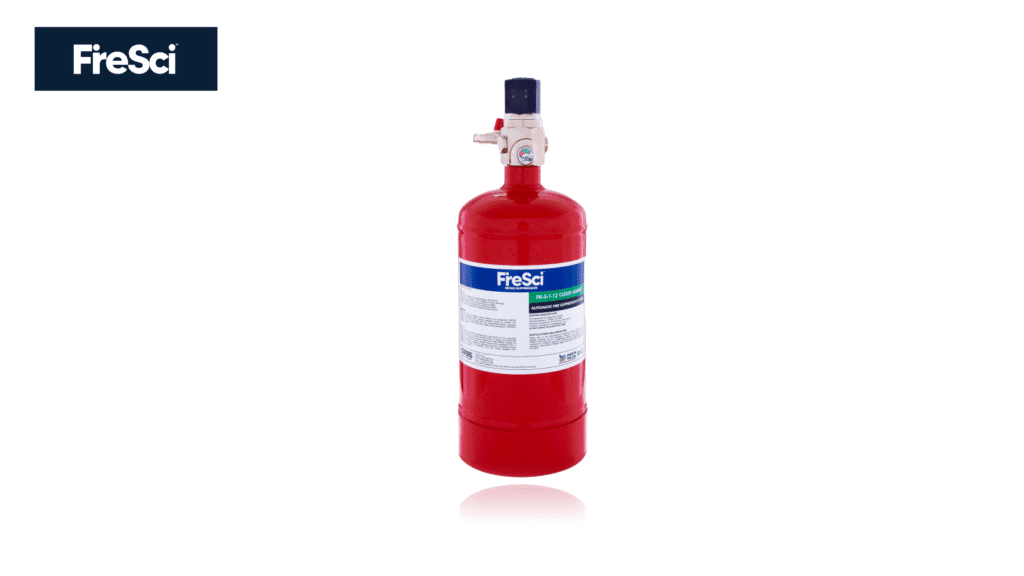
Indirect Low Pressure Clean Agent Release System (ILP)
Orbis Fire’s ILP fire suppression systems separate detection from discharge, using sensors or control panels to trigger clean agent release through nozzles. Stainless steel, DOT & CE approved for reliable protection worldwide.