
Data Center & Digital Infrastructure Protection
Fire Suppression for Data Centers & Critical IT Infrastructure
Orbis provides data center fire suppression systems for individual server racks, power distribution cabinets, and equipment rooms. Our solutions combine pre-engineered DLP/ILP protection with engineered clean-agent total flooding for qualified applications.
- Equipment-Level Protection
- Pre-engineered DLP / ILP for qualified enclosures
- Engineered Room Protection
- Clean-agent total flooding for defined volumes
- Clean-Agent Technology
- FK-5-1-12 and HFC-227ea
- Detection & Integration
- Pneumatic, electrical and facility interfaces
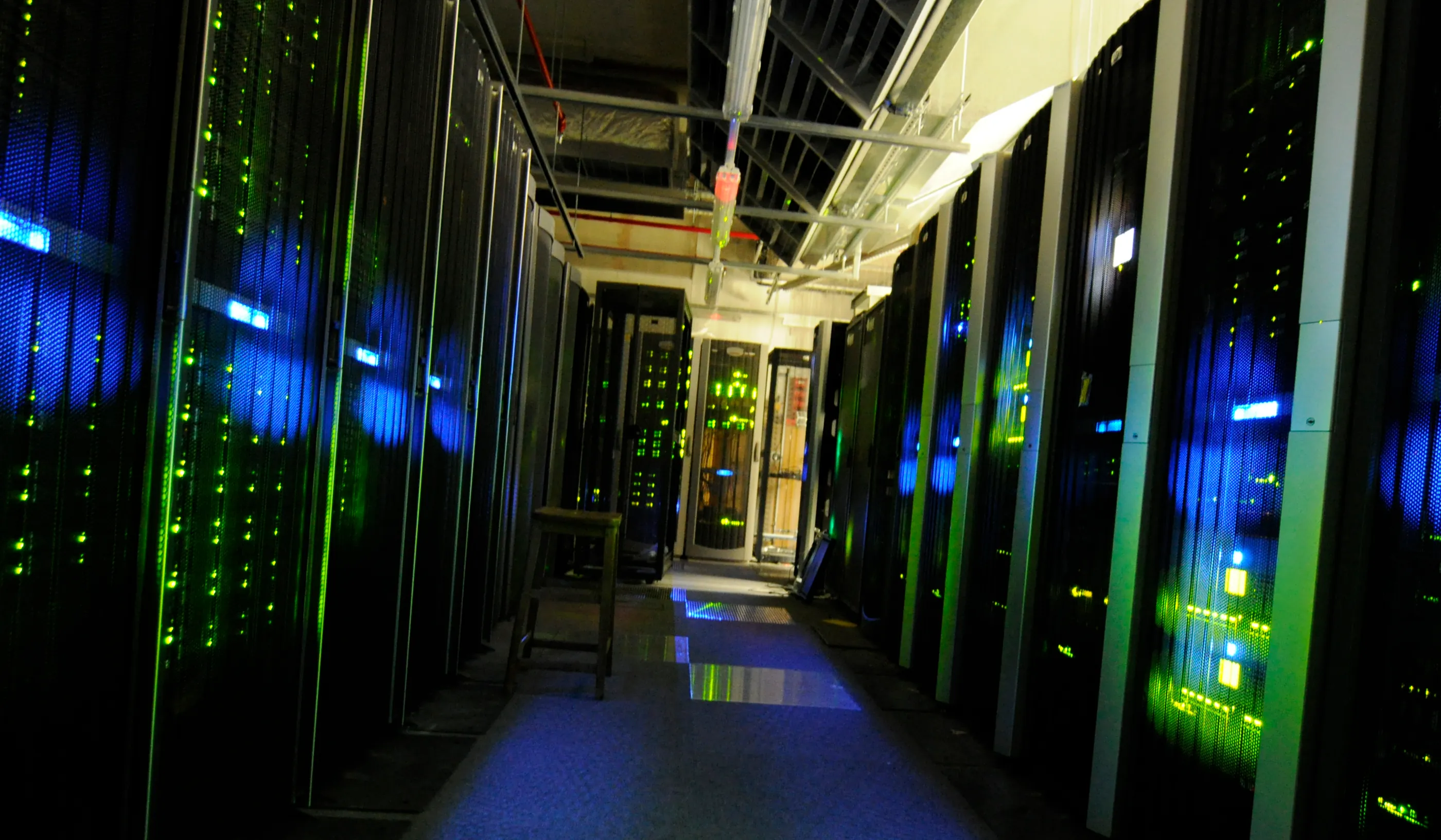
Representative data-center environment. Not an Orbis installation.
01 / Fire Risk Profile
Fire Risk Extends Beyond the Server Rack
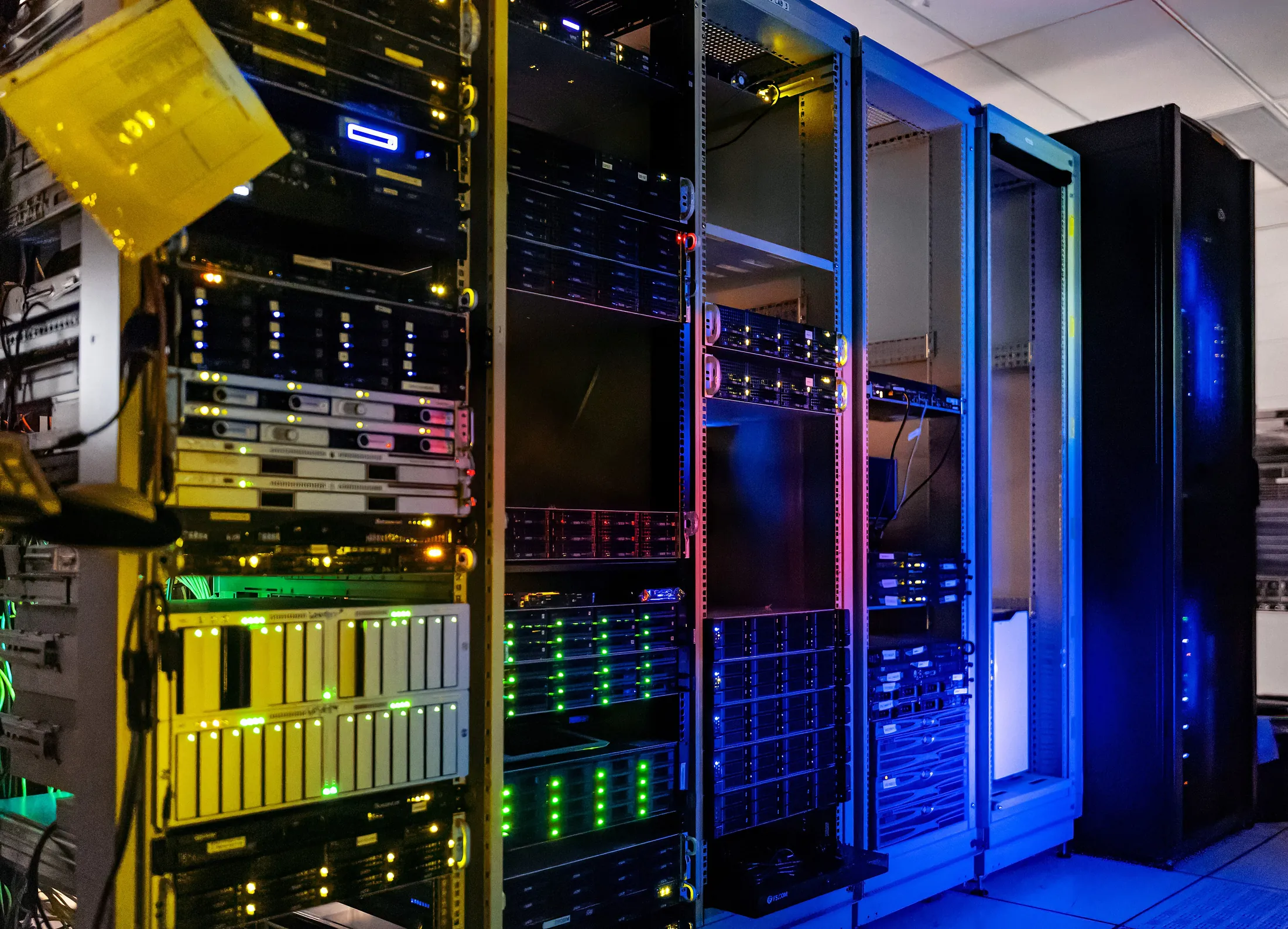
In a data center, fire risk is spread across the IT, power, and cooling infrastructure, wherever electrical energy, heat, and combustible material meet.
Server Racks & IT Equipment
Server and storage power supplies, rack cabling, and electronic components. Most rack fires begin as a localized electrical failure, such as a failed power supply or overheated connection, inside one piece of equipment.
Power Distribution Units
Electrical connections, protective devices, and circuits running near their rated load. Loose terminations and overloaded circuits generate heat at the point of connection.
UPS Infrastructure
UPS electronics, power-conversion equipment, and electrical connections. Battery systems, particularly lithium-ion, are a distinct hazard and need their own assessment.
Switchgear & Electrical Rooms
Distribution cabinets, control equipment, busbar connections, and switching components carrying the facility’s main electrical load.
Auxiliary Infrastructure
Cooling-system controls, backup-power interfaces, and the electrical enclosures that serve them.
02 / Protection Architecture
A Layered Approach to Data Center Fire Protection
Equipment-level suppression, engineered room protection, and detection do different jobs. A data-center strategy defines which layers apply to each hazard and how they interact.
- A
Layer A · Inside the enclosure
Equipment-Level Suppression
Pre-engineered DLP and ILP systems for appropriately enclosed, qualified equipment hazards. DLP uses heat-sensitive tubing for both detection and direct discharge: the tube ruptures at the point of fire exposure and agent releases there. ILP uses the tube for detection and actuation, and delivers agent through a separate nozzle network, with optional electrical actuation or monitoring depending on configuration.
Suitability depends on enclosure integrity, airflow, system sizing, and approved application limitations.
Example applications
- Electrical control cabinets
- Certain rack or equipment enclosures
- Power distribution cabinets
- Selected UPS electrical compartments
- Auxiliary control enclosures

- B
Layer B · The protected volume
Engineered Room-Level Suppression
Engineered clean-agent total flooding for appropriately designed rooms or defined protected volumes, such as data halls, switchgear rooms, and UPS rooms. Agent quantity, pipe network, and nozzle layout are calculated for the specific space and its temperature range.
Engineered room systems are separately designed. Pre-engineered cabinet cylinders are not interchangeable with room-flooding systems.
Design factors
- Hazard volume
- Design concentration
- Room integrity
- Agent retention
- Ventilation & HVAC coordination
- Discharge arrangement
- Occupant safety
- Detection & release controls
- C
Layer C · Across the facility
Detection, Notification & Integration
Early-warning detection and coordination with building and facility systems. In high-airflow data halls, aspirating detection can identify smoke earlier than spot detectors. Suppression status, alarms, and interlocks connect the fire protection system to the people and systems that operate the facility.
These capabilities depend on the system and configuration selected. They are not standard on every Orbis suppression system.
Integration considerations
- Aspirating smoke detection
- Conventional smoke or heat detection
- Alarm interfaces
- Suppression control panels
- Supervisory pressure monitoring
- Facility monitoring signals
- Shutdown and interlock arrangements, where applicable
03 / System Technologies
Protection Matched to the Scale of the Hazard
The size and construction of the protected space decide the technology. Enclosure-level systems and engineered total flooding have different design and verification processes.
Equipment level
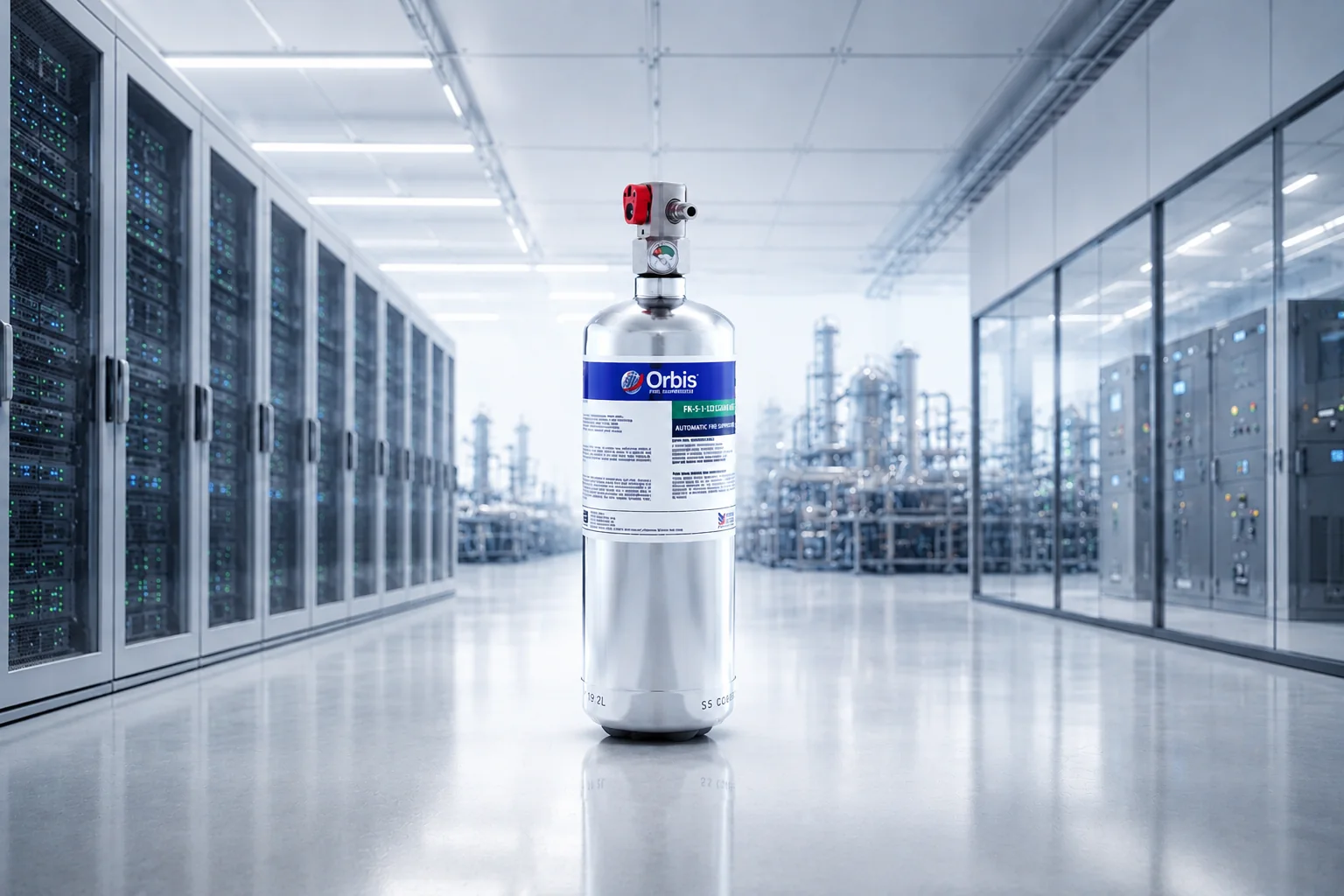
Pre-Engineered DLP / ILP Systems
Best evaluated for qualified enclosure-level hazards, with model-dependent configuration limits. Detection is installed inside the enclosure, close to likely ignition points.
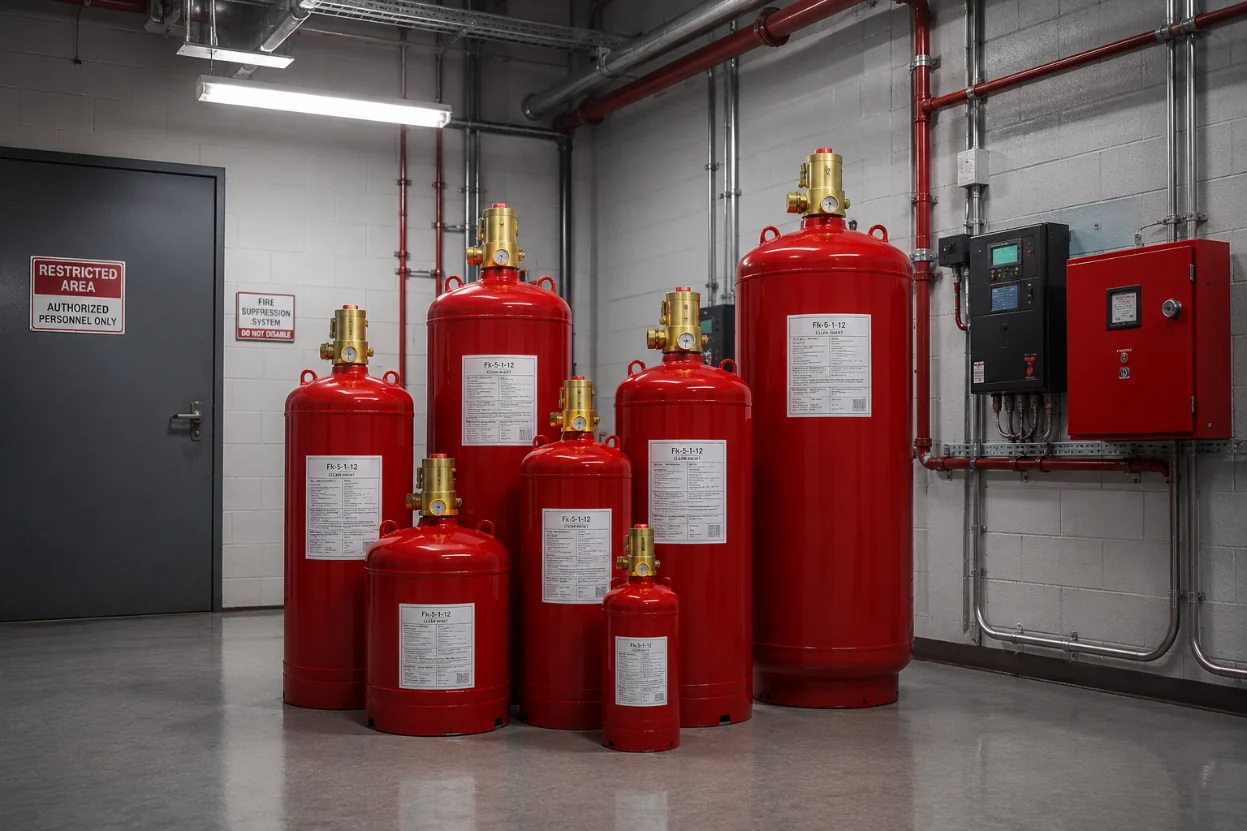
Room level
Engineered Clean-Agent Total Flooding
Designed for room-level or separately defined protected spaces, subject to detailed engineering and approvals. Discharge is distributed through a calculated pipe and nozzle network.
04 / Critical Infrastructure
Protection Across the Data Center Environment
Each area of a data center has a different combination of equipment, airflow, and occupancy, so the protection approach is decided zone by zone.
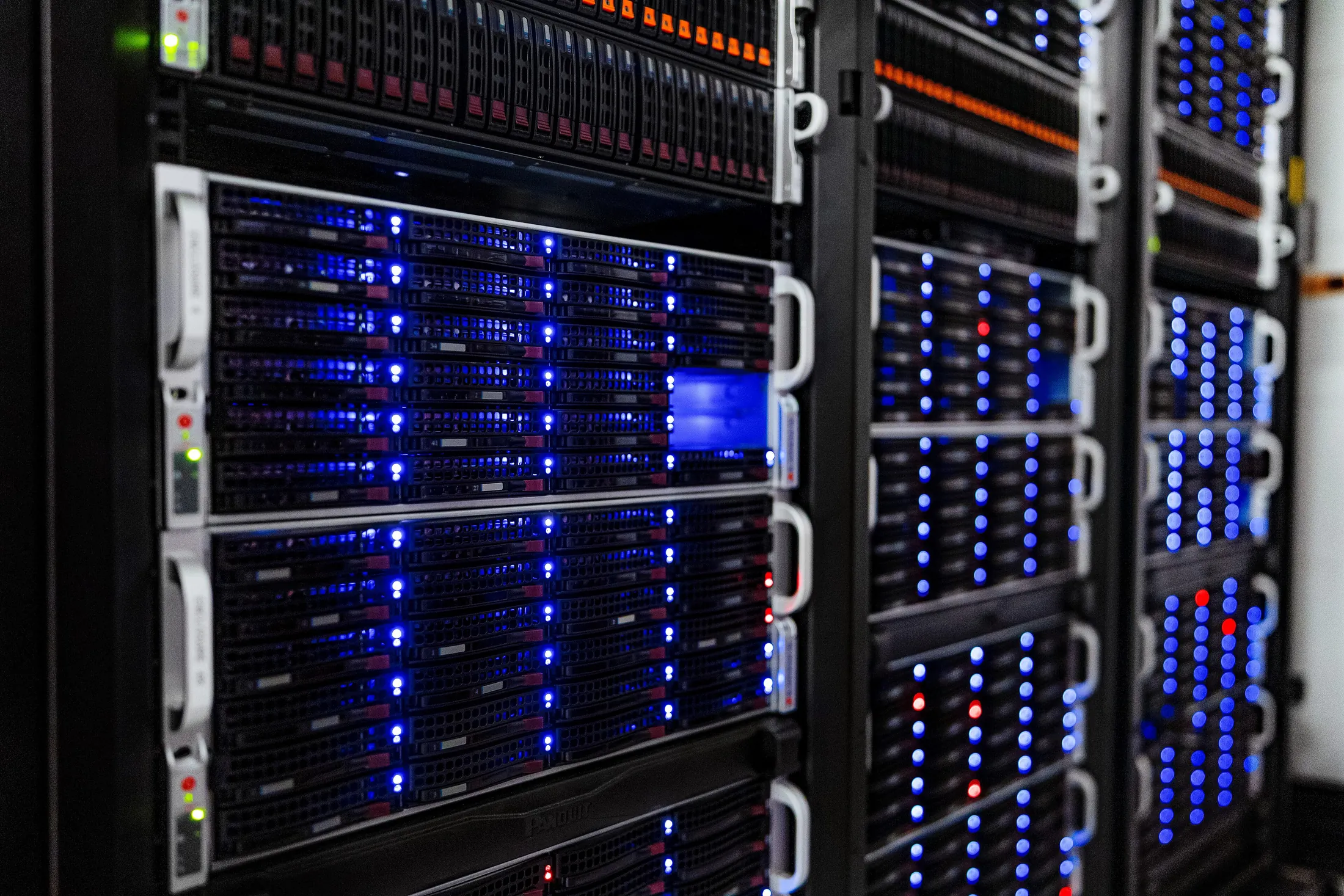
Zone 01
Server & Network Racks
Racks concentrate power supplies, storage, and network hardware in a small volume with continuous forced airflow. In AI and high-density deployments, high electrical loads and liquid or rear-door cooling change how heat and smoke move through the rack. Rack power density alone does not establish the suppression requirement; the enclosure construction, airflow path, and combustible content do.
- Fire-risk considerations
- Power-supply and component failure
- Cable bundles and patching
- Airflow carrying smoke and agent out of the rack
- Suppression strategy
- Equipment-level ILP or DLP protection can be evaluated for enclosed racks with controlled openings. Open-frame or heavily ventilated racks are normally addressed at room level.
- Engineering review
- Further review is needed when racks have perforated doors, active containment, or rear-door heat exchangers.
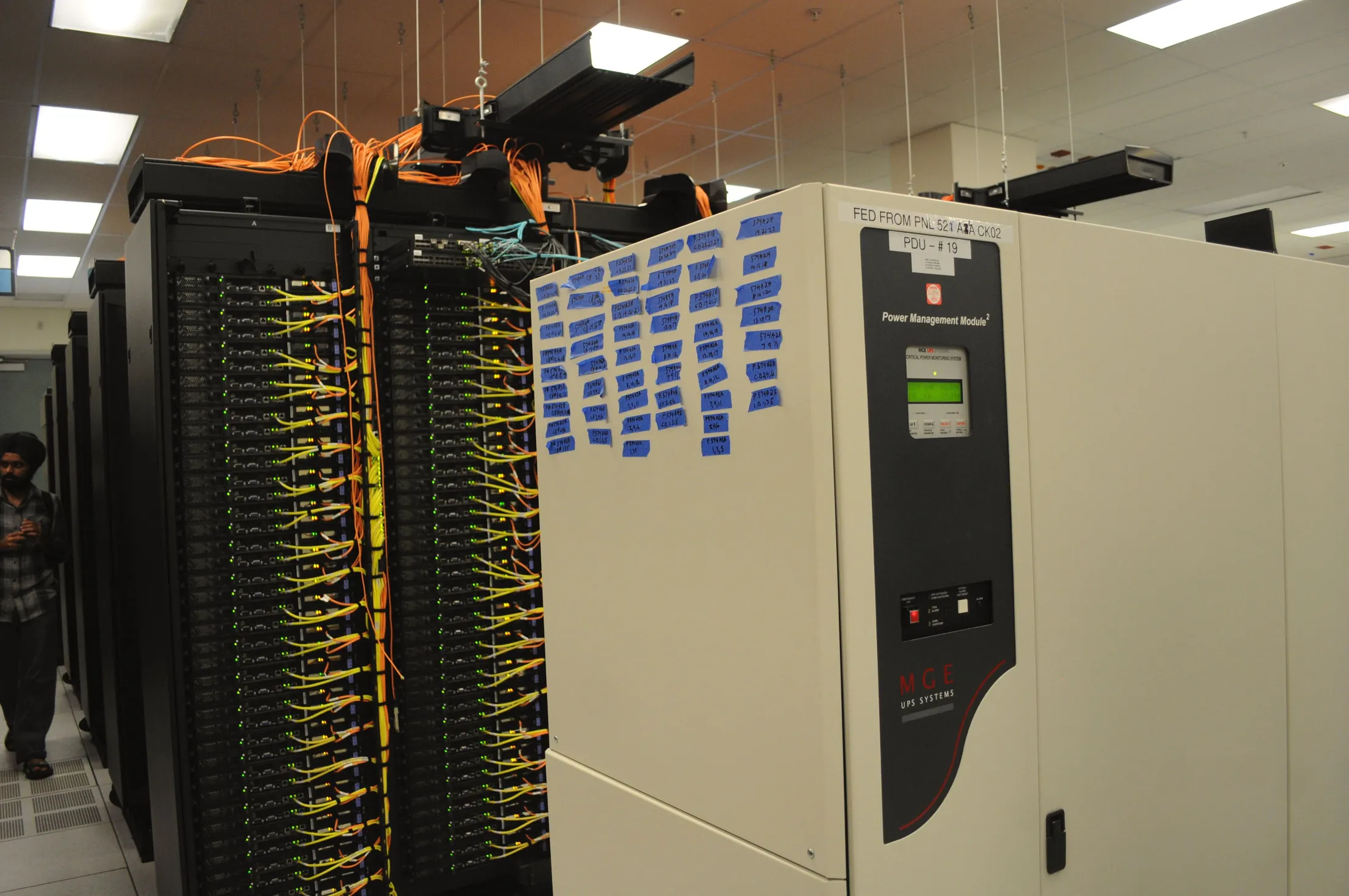
Zone 02
UPS & Power Distribution
UPS modules, power distribution units, and remote power panels convert and distribute the facility load. Their electrical compartments are enclosed spaces where equipment-level suppression can be considered. Battery strings are a separate hazard: lithium-ion thermal runaway produces heat and flammable gases that clean agents are not shown to stop, and those installations may fall under NFPA 855.
- Fire-risk considerations
- Power-conversion electronics
- Terminations and protective devices
- Battery systems requiring separate assessment
- Suppression strategy
- Qualified electrical compartments may suit ILP protection with pressure-switch monitoring. Battery rooms and cabinets require a hazard-specific strategy.
- Engineering review
- Engineering review is required for any lithium-ion battery system before a suppression approach is selected.
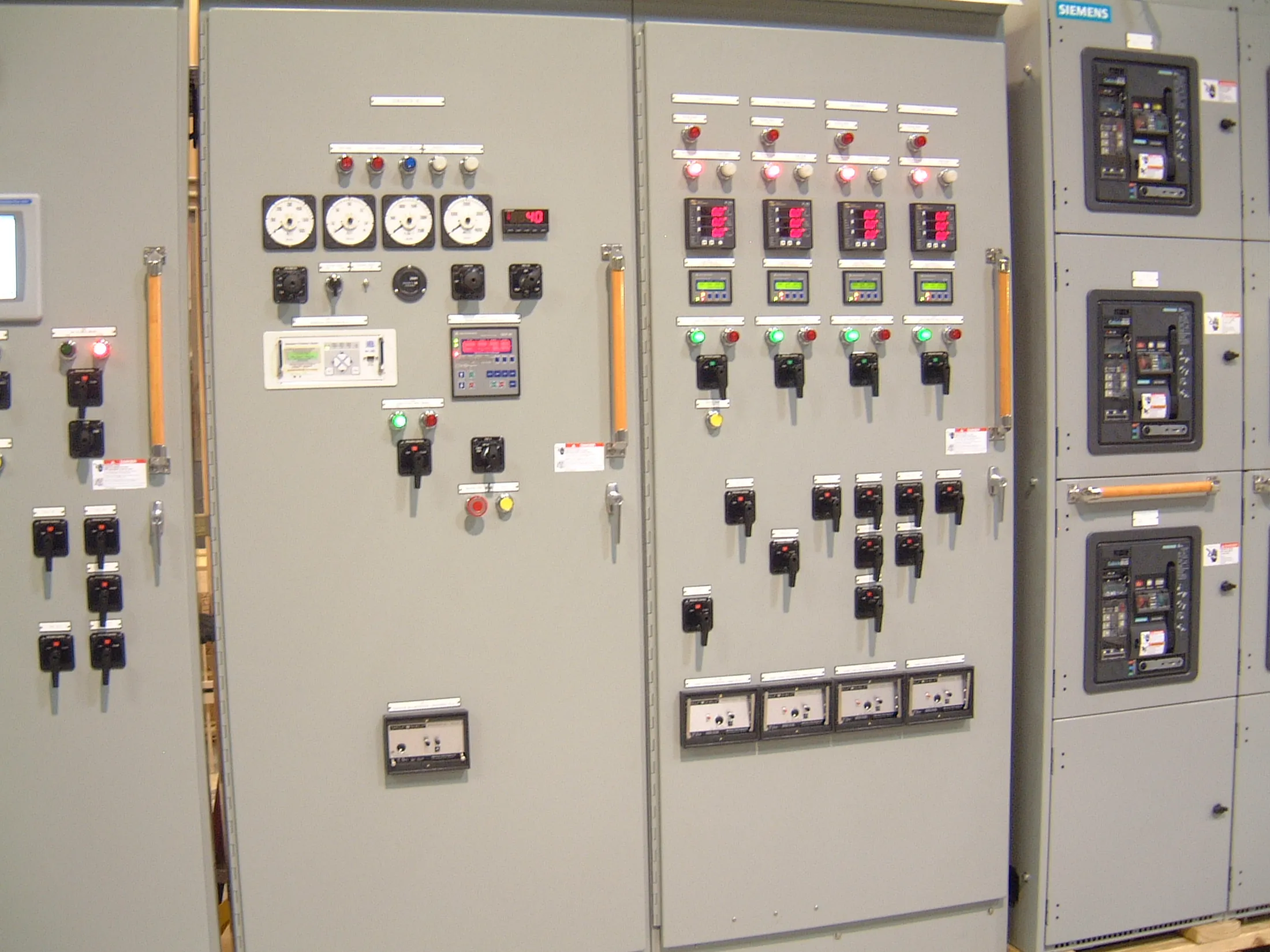
Zone 03
Electrical Switchgear Rooms
Switchgear and distribution line-ups feed the data hall and its cooling plant. Individual sections can be protected at equipment level, while the room itself may warrant engineered total flooding where its integrity, ventilation, and occupancy allow.
- Fire-risk considerations
- Busbar and bolted connections
- Breaker and contactor failure
- Control wiring and relays
- Suppression strategy
- Combine section-level DLP / ILP protection for critical cabinets with room-level clean-agent protection where the room is suitable.
- Engineering review
- Room flooding requires enclosure integrity evaluation, HVAC coordination, and occupant-safety provisions.
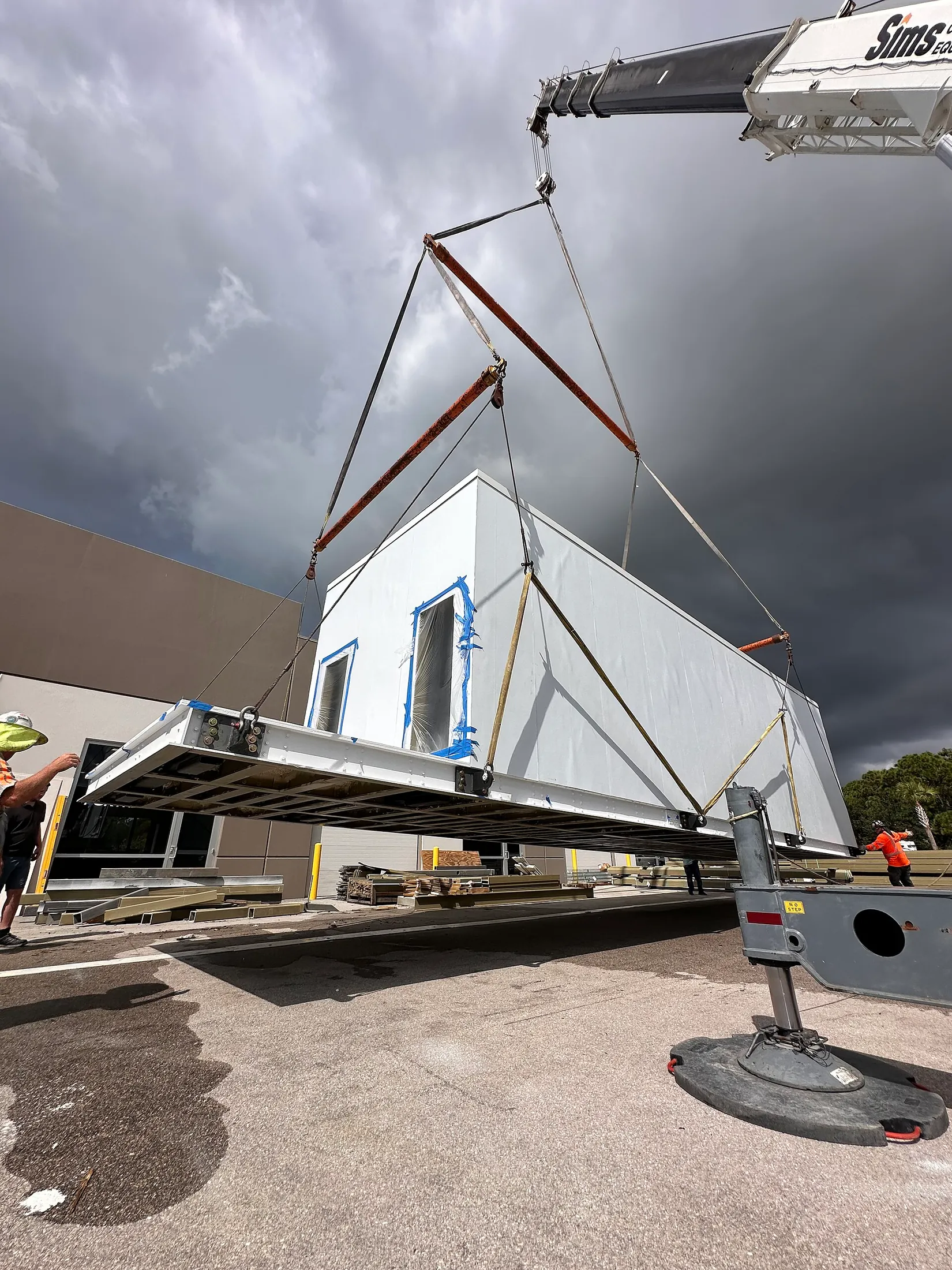
Zone 04
Modular & Edge Data Centers
Prefabricated modules and edge enclosures pack IT, power, and cooling into a compact, often unstaffed, space. The protected volume is defined and fixed, which helps design. Remote locations make monitoring and alarm transmission especially important.
- Fire-risk considerations
- Compact co-located IT, power and cooling
- Limited or no on-site staff
- Shipping, vibration and ambient exposure
- Suppression strategy
- Depending on module size, protection may be equipment-level, engineered for the whole module, or both, with signals passed to remote monitoring.
- Engineering review
- Ambient temperature range, module leakage, and transport conditions must be confirmed against the selected system.
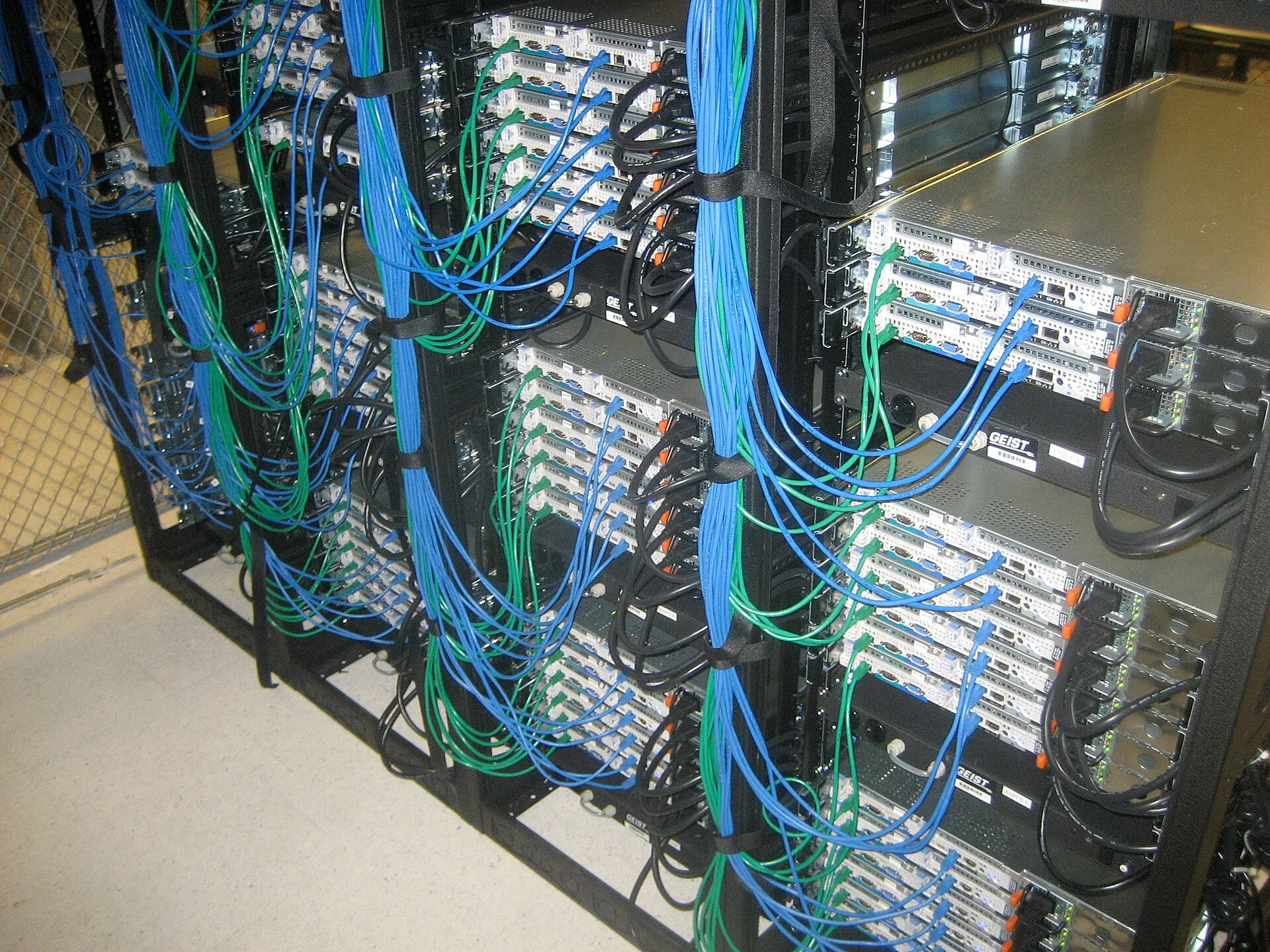
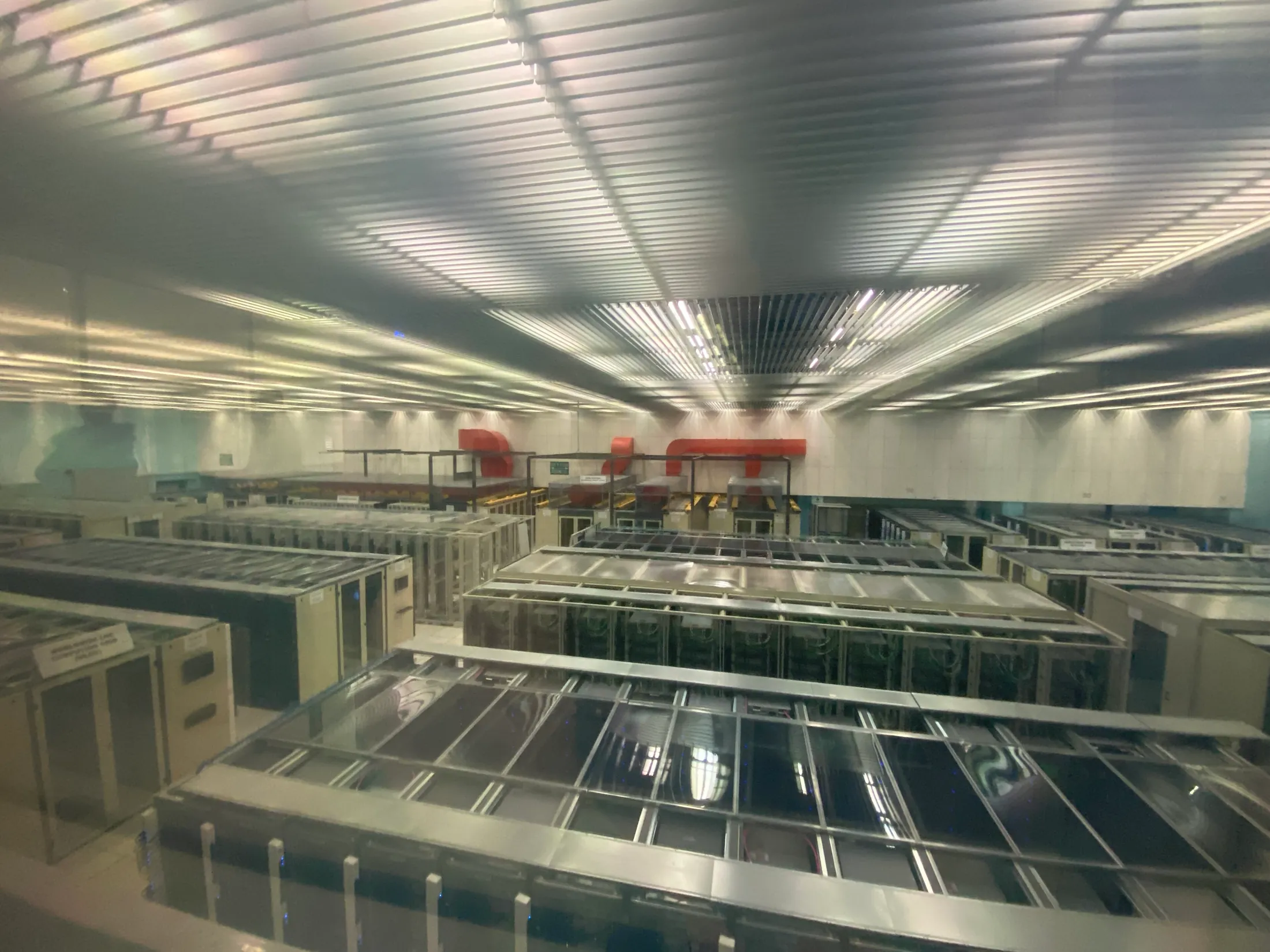
Photographs show representative environments, not Orbis installations.
08 / Orbis Advantage
Fire Protection Built Around Real Equipment Requirements
Orbis supplies suppression matched to the hazard, from a single cabinet to a protected room, with the documentation needed to specify it.
Pre-engineered equipment protection
DLP and ILP configurations for localized hazards in qualified enclosures.
Engineered room-level solutions
Access to engineered clean-agent suppression for larger, appropriately designed protected spaces.
Multiple clean-agent options
FK-5-1-12 and HFC-227ea, subject to regional restrictions and availability.
Component selection & documentation
Support selecting system components and assembling technical documentation for review.
U.S.-based assembly and support
Assembly, supply, and project support from the United States.
International project supply
Supply for projects outside the U.S., coordinated around destination requirements.