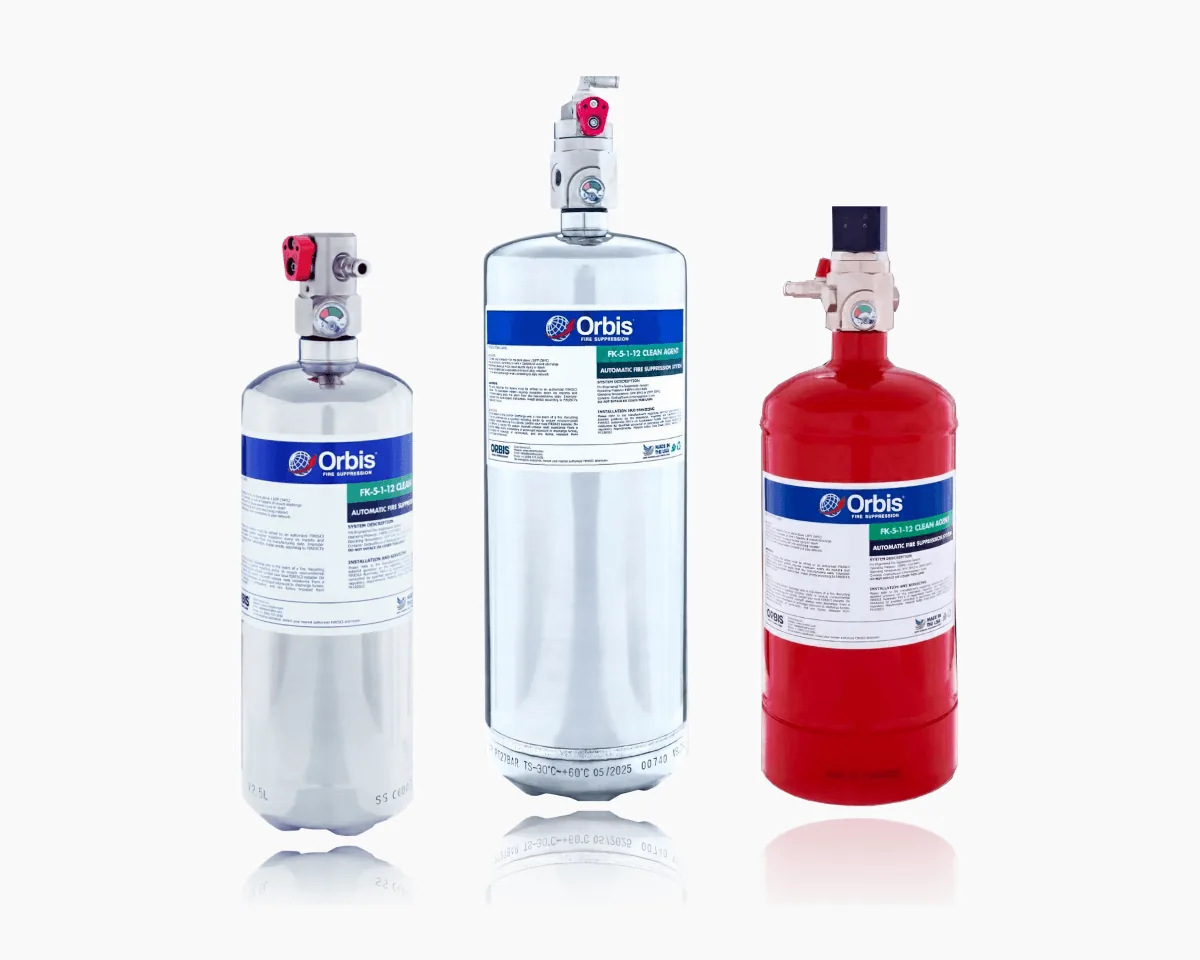
Pre-Engineered Fire Suppression Systems
Automatic, equipment-level protection for electrical cabinets, control panels, CNC machinery and industrial enclosures. Orbis pre-engineered DLP and ILP fire suppression systems use heat-sensitive detection tubing: DLP discharges through the ruptured tube, while ILP releases agent through dedicated nozzles. Pneumatically actuated configurations operate without external power.
- DLP & ILPdirect and indirect release
- 3–50 lbavailable cylinder capacities*
- Product Catalogtechnical specifications (PDF)
*Cylinder sizes and configurations depend on the selected model and agent.
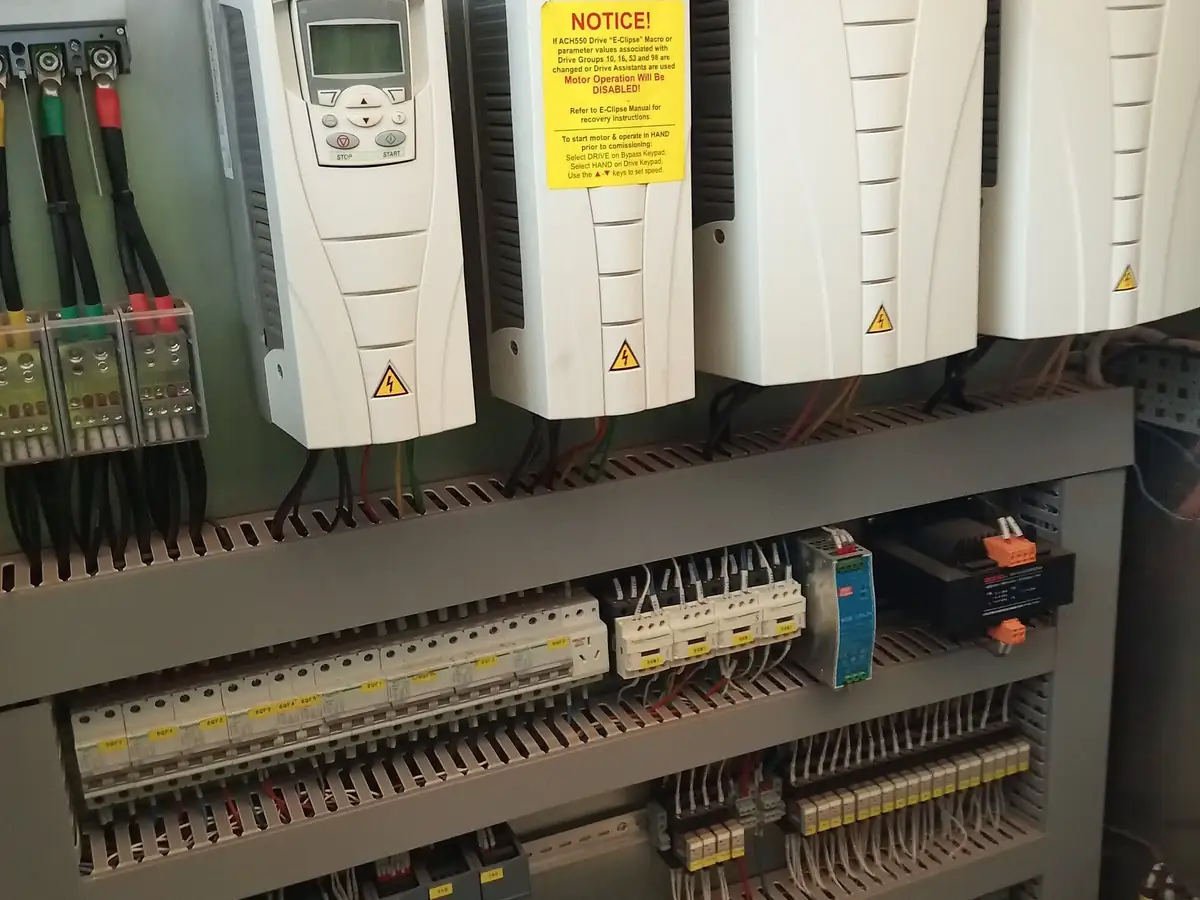
System Overview
How Pre-Engineered Fire Suppression Works
Pre-engineered fire suppression systems place automatic heat detection inside the electrical cabinet, equipment rack, or machine enclosure being protected. Heat-sensitive tubing initiates agent release close to the hazard, with the discharge method determined by the DLP or ILP system configuration.
-
01
Protected enclosure
The system is selected for a defined enclosure, such as an electrical control cabinet, server rack, or machine housing, within the selected model's application limits.
-
02
Pneumatic detection
Pressurized, heat-sensitive polymer tubing is routed near likely ignition points inside the protected equipment.
-
03
Automatic actuation
Fire heat causes the detection tube to rupture, creating a pressure drop that actuates the release mechanism. Activation characteristics depend on the specified tubing.
-
04
Agent discharge
The extinguishing agent is discharged into the enclosure: through the ruptured tube in a direct low-pressure (DLP) system, or through dedicated piping and nozzles in an indirect low-pressure (ILP) system.
Core Technologies
DLP vs. ILP Fire Suppression Systems
Direct low-pressure (DLP) and indirect low-pressure (ILP) are two pre-engineered fire suppression architectures. Both can use pressurized, heat-sensitive detection tubing; the key difference is how extinguishing agent is discharged. System selection depends on the enclosure, hazard and documented model limits.
DLP Direct Low Pressure
Direct release through the detection tube
The detection tube is also the discharge path. When fire heat ruptures the tube, the opening acts as a nozzle and agent discharges directly at the point of origin. The architecture is compact, with no separate piping or nozzles.
DLP System DetailsILP Indirect Low Pressure
Detection separated from nozzle discharge
Detection only actuates the valve. Agent flows through dedicated discharge piping to fixed nozzles, providing distributed discharge within a suitable enclosure. Pneumatic, electric or manual actuation options depend on the selected configuration.
ILP System Details- Detection tubing
- Discharge piping
- Fire / rupture point
- Conceptual schematic; not an installation drawing.
| Comparison criterion | DLP Direct | ILP Indirect |
|---|---|---|
| Detection | Pressurized heat-sensitive tubing routed inside the enclosure | Heat-sensitive tubing for pneumatic detection; additional detector or manual release interfaces where configured |
| Discharge | Directly through the rupture point in the detection tube | Through dedicated discharge piping and nozzles, separate from the detection circuit |
| Nozzles | None; the rupture opening acts as the discharge point | Fixed nozzles with cone and directional discharge patterns |
| Cylinder position | Vertical mounting; tubing routed through the protected enclosure | Internal, adjacent or external mounting; vertical orientation recommended |
| Actuation | Automatic pneumatic release without external power in the standard configuration | Pneumatic (standard), 24 VDC electric solenoid or manual release |
| Integration | Optional pressure switch (NC/NO, 24 VDC) for alarm and shutdown signals | Optional pressure switch, control panel and detector interfaces |
| Hazard profile | Compact enclosures where discharge at the point of ignition is effective | Enclosures requiring distributed discharge, subject to model-specific design limitations |
| Typical discharge | Under 10 seconds (catalog typical; configuration dependent) | Under 15 seconds (catalog typical; configuration dependent) |
Catalog discharge times are typical values, not guaranteed for every installation. Agent compatibility, system limits and applicable approvals depend on the specified model and configuration.
Full specifications are on the DLP and ILP product pages and in the Pre-Engineered Catalog.
Need help selecting DLP or ILP? Send your application requirementsApplications
Equipment Protected by Pre-Engineered Systems
Pre-engineered fire suppression systems can protect qualified electrical cabinets, industrial equipment and other enclosed hazards where ignition may originate at electrical components or machinery. Suitability depends on the actual fire hazard, enclosure conditions and the selected system’s documented limitations.
-
Electrical Panels & Control Cabinets
Switchgear, motor control centers (MCCs), distribution boards and industrial control enclosures.
-
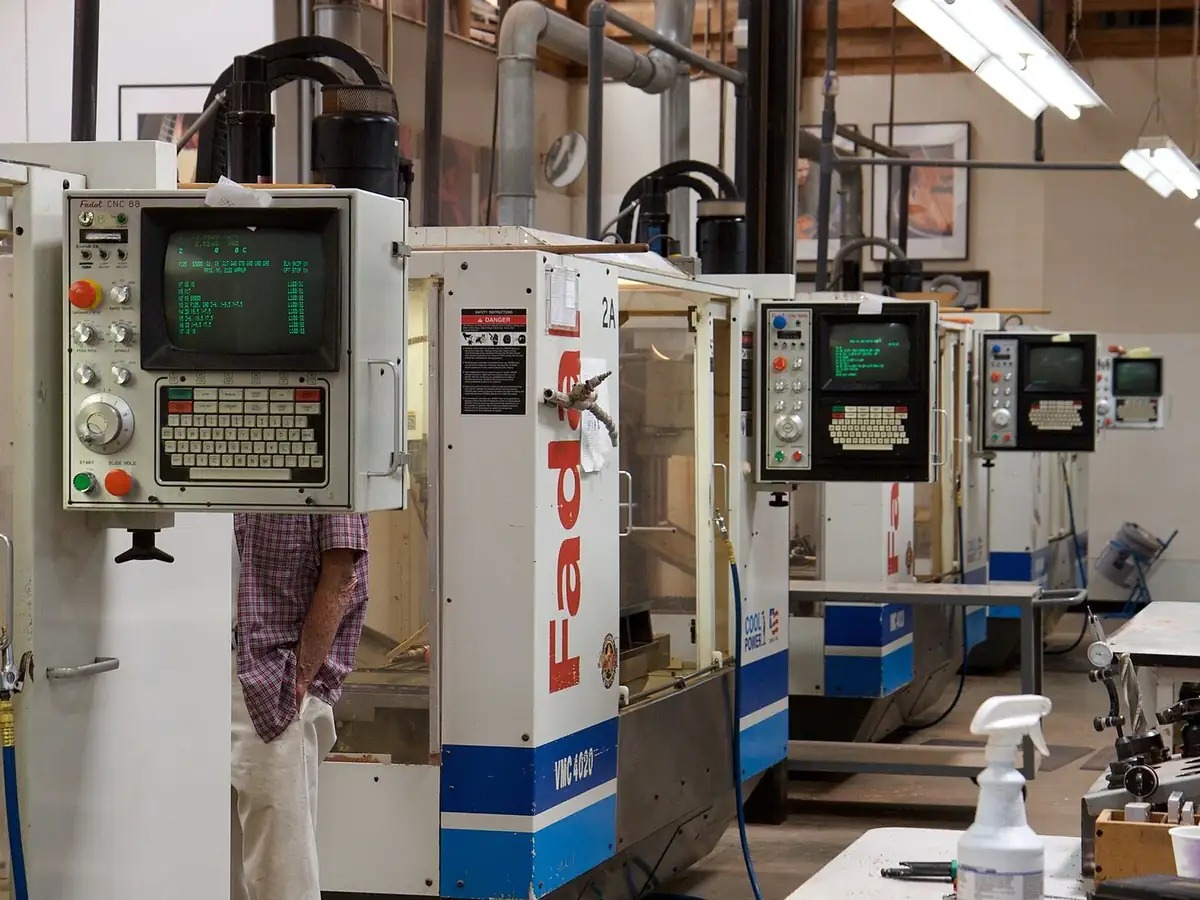
CNC & Industrial Machinery
Machine-tool enclosures, hydraulic power units and associated electrical control cabinets.
-
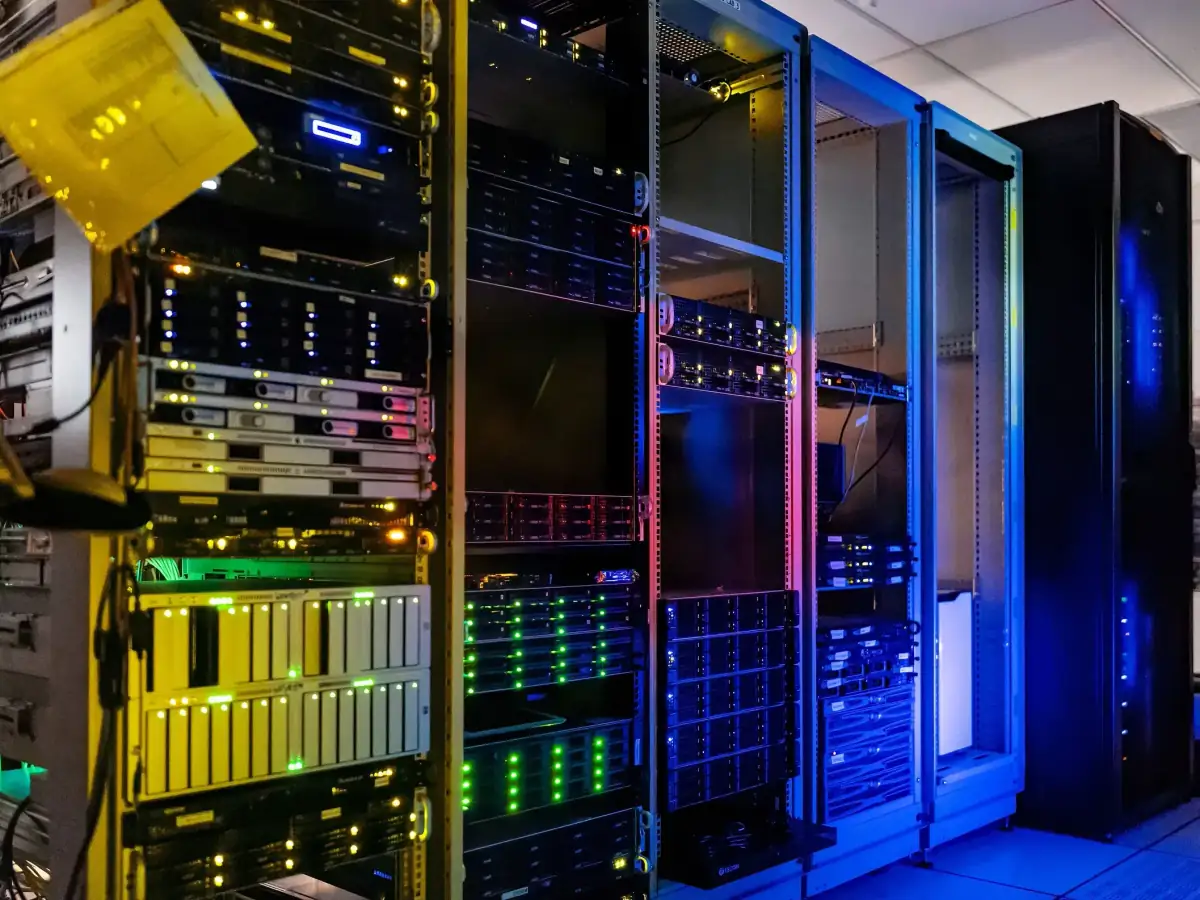
Server Racks & IT Equipment
Server and network cabinets that may require equipment-level protection alongside room-level fire suppression.
-
Telecom & Remote Equipment Cabinets
Communications and network equipment housed in enclosed cabinets, including remote and unattended locations.
-
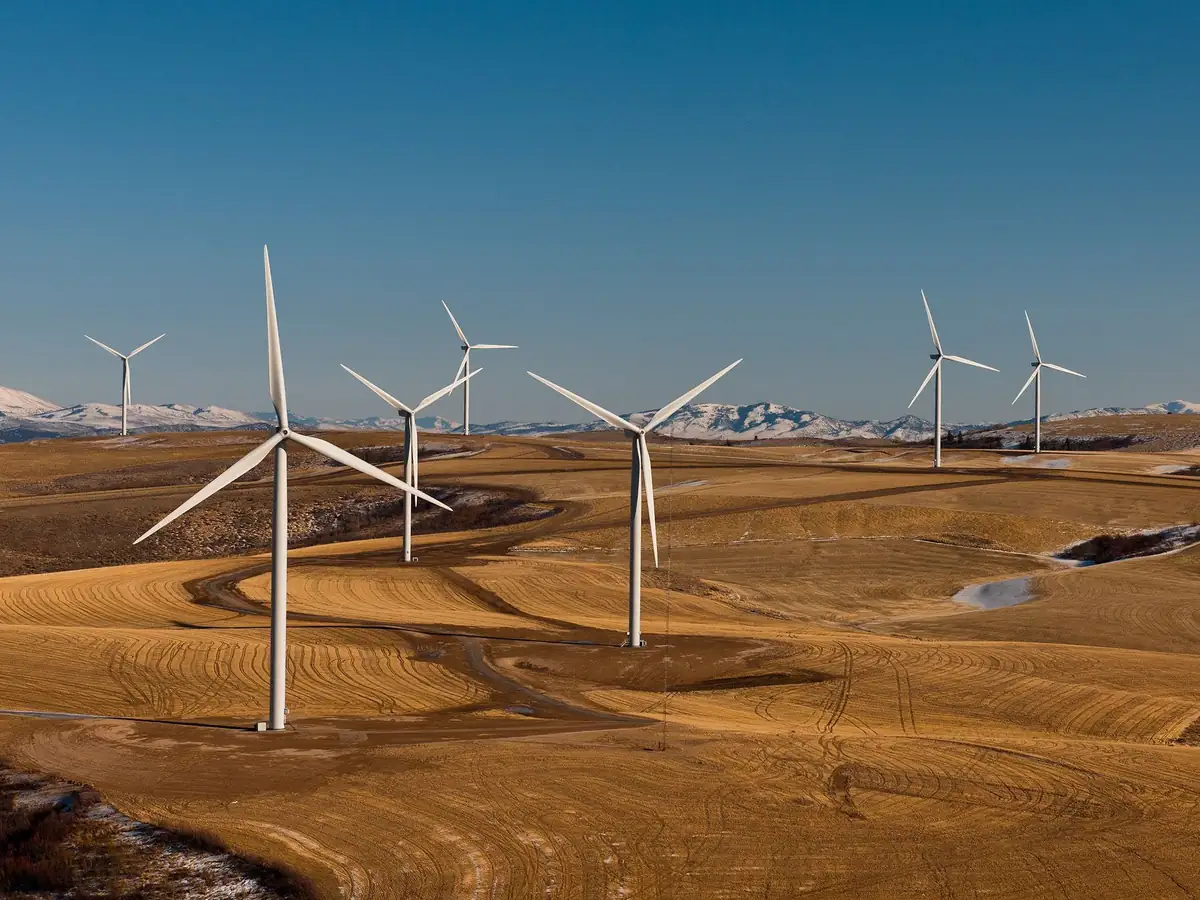
Wind Turbine Equipment
Selected nacelle electrical controls and equipment cabinets, subject to application-specific system limits.
-
Energy & Power Infrastructure
Inverter, power-conversion and auxiliary electrical enclosures in energy facilities.
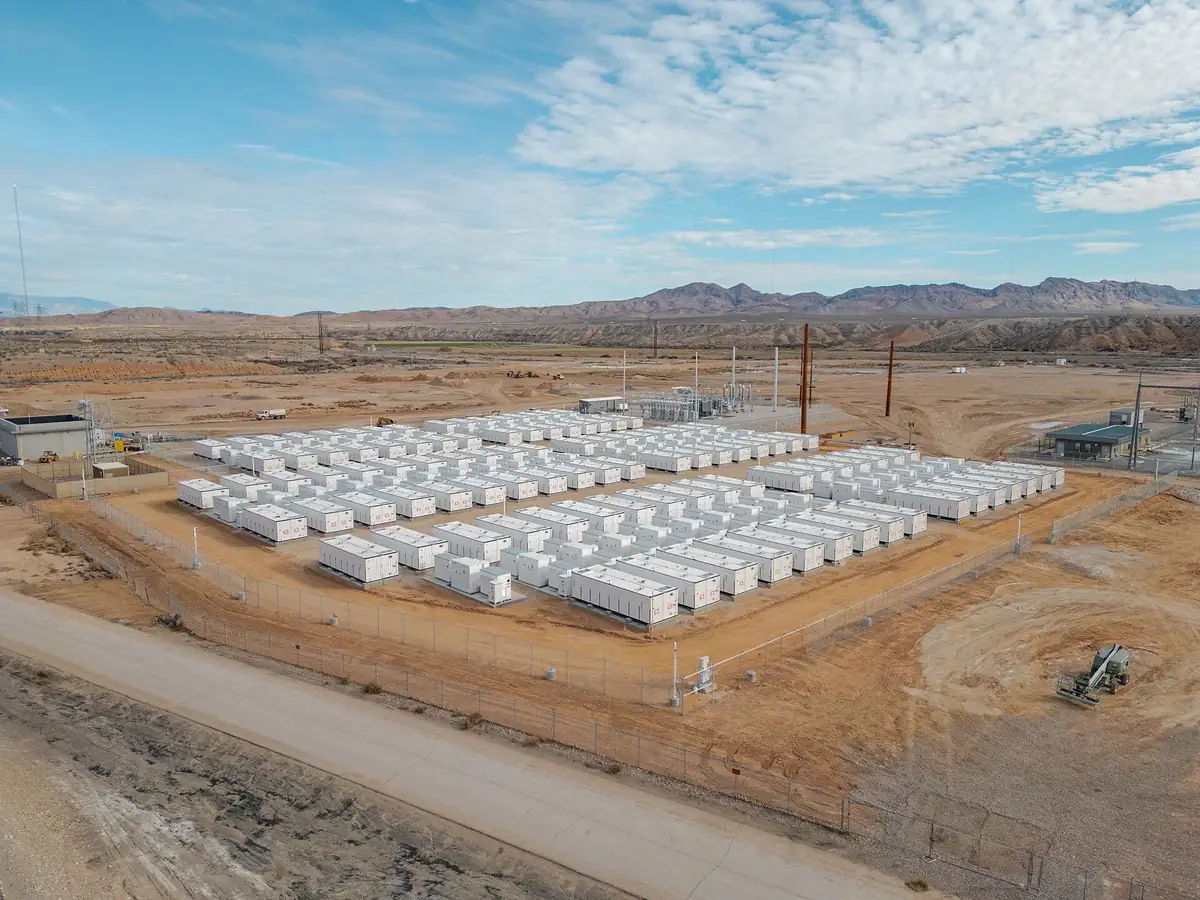
Battery energy storage: Equipment-level clean-agent suppression may be applicable to auxiliary electrical and power-conversion enclosures. It should not be described as preventing lithium-ion cell thermal runaway or battery propagation, which require a separate hazard-specific protection strategy.
System Options
Extinguishing Agents & System Components
Orbis pre-engineered fire suppression systems can be configured with different extinguishing agents, detection circuits and release components. Agent compatibility and hardware options must be verified for the selected DLP or ILP model and protected hazard.
Extinguishing agents
FK-5-1-12
Clean agentResidue-free, electrically non-conductive clean-agent suppression.
HFC-227ea
Clean agentResidue-free, electrically non-conductive clean-agent suppression.
CO₂
Carbon dioxideOxygen-displacing suppression agent; special personnel-safety considerations.
ABC dry powder
Dry chemicalDry-chemical agent for compatible equipment and appropriate fire hazards.
Availability depends on configuration. Confirm DLP compatibility with CO₂ and ABC dry powder before specifying. CO₂ systems require a separate personnel-exposure and life-safety assessment. Read more about fire suppression agents.
System components & options
Cylinder & valve
- Cylinder assembly
- Carbon or stainless steel; capacity and agent depend on the model.
- Valve assembly
- Low-pressure valve with pressure gauge; pneumatic or electrical release on supported ILP models.
- Mounting bracket
- Brackets for suitable cylinder orientation and installation.
Detection
- Heat detection tubing
- Heat-sensitive polyamide tubing routed near potential ignition points.
- Fittings & connectors
- Approved fittings for connecting the detection circuit.
Discharge (ILP)
- Discharge piping
- Dedicated distribution piping, separate from the detection circuit.
- Nozzles
- Application-specific nozzles for directing and distributing the agent.
Monitoring & release
- Pressure switch
- Optional alarm and monitoring interface, according to the model.
- Manual release
- Manual actuation where the configuration supports it.
- Control panel & interfaces
- Selected ILP systems may support electrical release and detector integration.
Component selection, cylinder capacity, accessories and electrical interfaces vary by agent, system model and application. Consult the applicable technical documentation before specification.
Engineering Considerations
System Selection and Application Suitability
Selecting a pre-engineered fire suppression system for an electrical cabinet, CNC enclosure or other equipment hazard requires more than a cylinder size. Orbis reviews the application against documented DLP and ILP system limits, agent compatibility and installation requirements.
- 01
Enclosure dimensions and volume
Equipment dimensions, net protected volume and the system's documented coverage limits inform agent and cylinder selection.
- 02
Fire hazard and fuel
Identify energized components, ordinary combustibles, flammable liquids and other credible ignition or fuel sources.
- 03
Extinguishing-agent suitability
Evaluate agent compatibility with the hazard, equipment, potential exposure to personnel and the selected system model.
- 04
Openings and ventilation
Cable penetrations, unsealed openings and forced airflow can affect discharge behavior and agent retention.
- 05
Ambient conditions
Verify installation temperature, humidity, vibration and environmental exposure against model documentation.
- 06
Cylinder location and mounting
Assess available space, mounting orientation and accessibility in accordance with the cylinder and valve instructions.
- 07
Detection tubing and nozzles
Plan detection-tube routing near likely ignition points; ILP configurations also require dedicated discharge piping and nozzles.
- 08
Alarms and shutdown interfaces
Determine whether the application needs pressure-switch monitoring, alarms, equipment isolation or ventilation control.
- 09
Inspection and servicing
Allow for inspection access, post-discharge recharge and cylinder servicing under the applicable instructions and rules.
- 10
Approvals and system limits
Verify documentation for the exact cylinder, components and complete system configuration required by the project.
Technical Library
Technical Resources & Documentation
Explore Orbis pre-engineered fire suppression product literature, DLP and ILP system specifications, and technical guidance for protecting electrical cabinets, industrial equipment and other qualified enclosures.
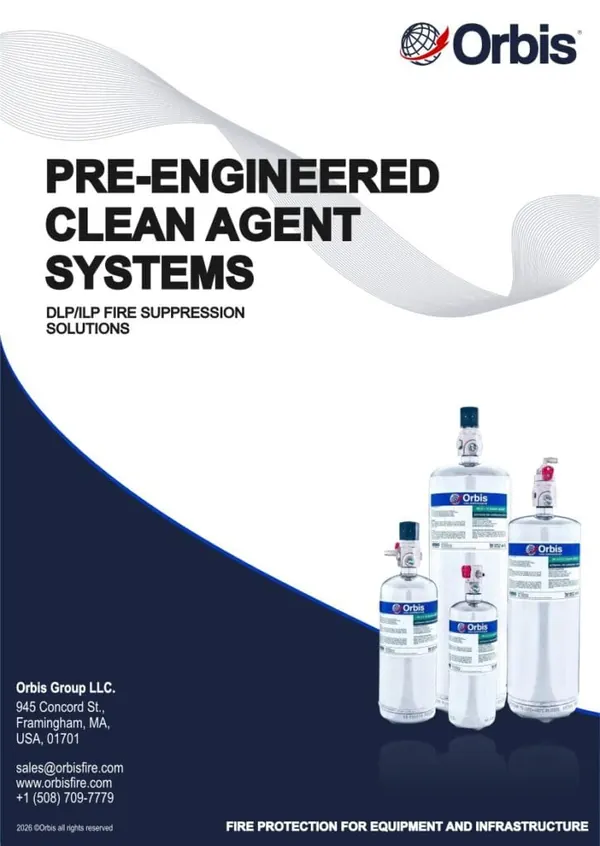
Technical PDF
Pre-Engineered Systems Catalog
Browse DLP and ILP configurations, extinguishing agents, cylinder assemblies, technical options and application information.
View Pre-Engineered Catalog (PDF)
System Documentation
- DLP — Direct Low PressureProduct operation, tube-as-discharge architecture and specifications
- ILP — Indirect Low PressureDedicated nozzle discharge, release options and specifications
- Fire Suppression AgentsClean-agent and other suppression-agent information
- Catalogs & BrochuresOrbis product literature and system overviews
Need installation instructions, cylinder or valve datasheets, or confirmation of a model-specific approval? Request technical documentation for the proposed configuration.
Fire Suppression Guide
- DLP vs. ILP Fire SuppressionUnderstand the detection and discharge differences
- Detection Tubing DesignTube routing and detection considerations
- Cabinet Fire DynamicsEnclosure hazards, ventilation and fire development
- When to Use Direct SuppressionApplication factors for selecting DLP
Technical guidance supports product evaluation; final selection must follow the applicable system documentation and project requirements.

Engineering FAQ
Pre-Engineered Fire Suppression FAQs
Answers to common questions about DLP and ILP systems, extinguishing agents, electrical cabinet protection, and the information needed for a technical quotation.
More fire suppression FAQs
What is a pre-engineered fire suppression system?
A pre-engineered fire suppression system is selected from defined, manufacturer-documented configurations to protect a specific hazard, such as an electrical cabinet or machine enclosure. It combines extinguishing-agent storage with detection and release components. Selection must remain within the applicable system limits; pre-engineered does not mean that hazard evaluation or installation requirements can be skipped.
What is the difference between DLP and ILP fire suppression?
In a direct low-pressure (DLP) system, heat-sensitive detection tubing also provides the discharge opening when it ruptures at the fire. In an indirect low-pressure (ILP) system, detection or another configured input actuates the valve, and the extinguishing agent is released through separate piping and discharge nozzles. The appropriate arrangement depends on the enclosure and the selected system.
Can pre-engineered systems protect energized electrical cabinets?
Qualified clean-agent configurations using agents such as FK-5-1-12 or HFC-227ea can be suitable for certain energized electrical enclosures because these agents are electrically non-conductive and leave no residue. Suitability still depends on the equipment, enclosure conditions, agent quantity, and documented system limitations.
Do DLP and ILP systems require external electrical power?
Pneumatically actuated DLP and ILP configurations can operate without external electrical power. ILP systems may also incorporate 24 VDC electrical actuation, detection, or releasing controls, which do require an appropriate power supply. Optional alarm, monitoring, and shutdown circuits have their own electrical requirements.
Which fire suppression agents are available?
Orbis offers pre-engineered configurations using clean agents including FK-5-1-12 and HFC-227ea. CO₂ and ABC dry powder are also available for applicable systems. Not every agent is compatible with every DLP or ILP model; agent selection is determined by the hazard, occupancy, and supported configuration.
Can the system activate an alarm or shut down equipment?
Depending on configuration, a pressure switch and compatible control interfaces can provide signals to an alarm panel, equipment shutdown circuit, or ventilation control. These functions require the appropriate wiring, controls, and commissioning; pneumatic agent release alone does not automatically provide all electrical interfaces.
What information does Orbis need to select and quote a system?
Provide the equipment type, number of enclosures, inside dimensions or protected volume, expected fire hazard, cabinet openings or ventilation, installation country, and any agent or monitoring requirements. Drawings and photographs are helpful. Orbis can then review available DLP or ILP configurations against documented product limits.
What documentation and approvals are available?
The Orbis Pre-Engineered Systems Catalog and the DLP and ILP product pages contain product information. Technical datasheets and applicable approval documents can be requested for a proposed configuration. Cylinder, component, and complete-system approvals are distinct; availability and applicability must be confirmed for the selected product and installation market.
Project Requirements
Specify a Pre-Engineered Fire Suppression System
Tell Orbis about your equipment, protected enclosure and project requirements. Our team can review the application against documented system limits, discuss suitable DLP or ILP configurations, and prepare a quotation.
Or email sales@orbisfire.com
Include with your request
- Equipment or application type
- Number of protected enclosures
- Enclosure dimensions
- Installation country
- Agent preference, if known
- Drawings or technical requirements