
Heavy Vehicle Fire Suppression
Heavy vehicles and mobile equipment operate in demanding environments where heat, vibration, fuel, oil, hydraulic fluid, electrical faults, and debris can increase fire risk. Engine compartments and enclosed mechanical spaces are especially vulnerable because fires can develop quickly and spread before manual intervention is possible.
Orbis supplies automatic vehicle fire suppression systems for heavy equipment, buses, industrial machinery, and engine compartment applications.
Where Fires Start on Heavy Vehicles
- Engine compartments
- Turbochargers and exhaust systems
- Hydraulic lines and pumps
- Fuel systems and injectors
- Electrical harnesses and control boxes
- Brake systems and wheel hubs
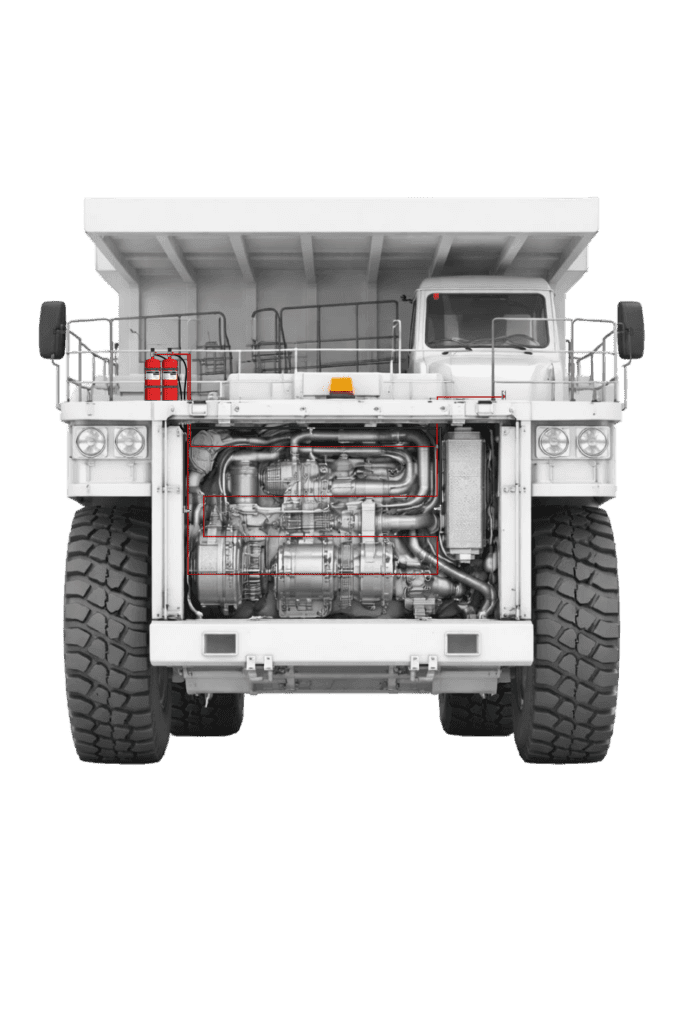
The Orbis® Solution
Orbis systems are designed to protect the specific compartments where fires start, rather than relying on manual intervention or external firefighting.
Using either Direct Low Pressure (DLP) or Indirect Low Pressure (ILP) configurations, Orbis systems provide fast, automatic fire suppression inside:
Engine enclosures
Hydraulic compartments
Electrical cabinets
Battery and power units
By suppressing the fire at its source, Orbis systems help prevent escalation, secondary damage, and total vehicle loss.
How Orbis® Systems Work
Continuous Monitoring
Heat-sensing detection tubing or integrated detection devices monitor high-risk areas during vehicle operation.Automatic Activation
When excessive heat or flame is detected, the system activates instantly without relying on electrical power or operator input.Targeted Agent Discharge
Extinguishing agent is released directly into the affected compartment, rapidly suppressing the fire before it spreads.Self-Contained Operation
Systems operate independently of vehicle power, ensuring reliable protection even during electrical failures.
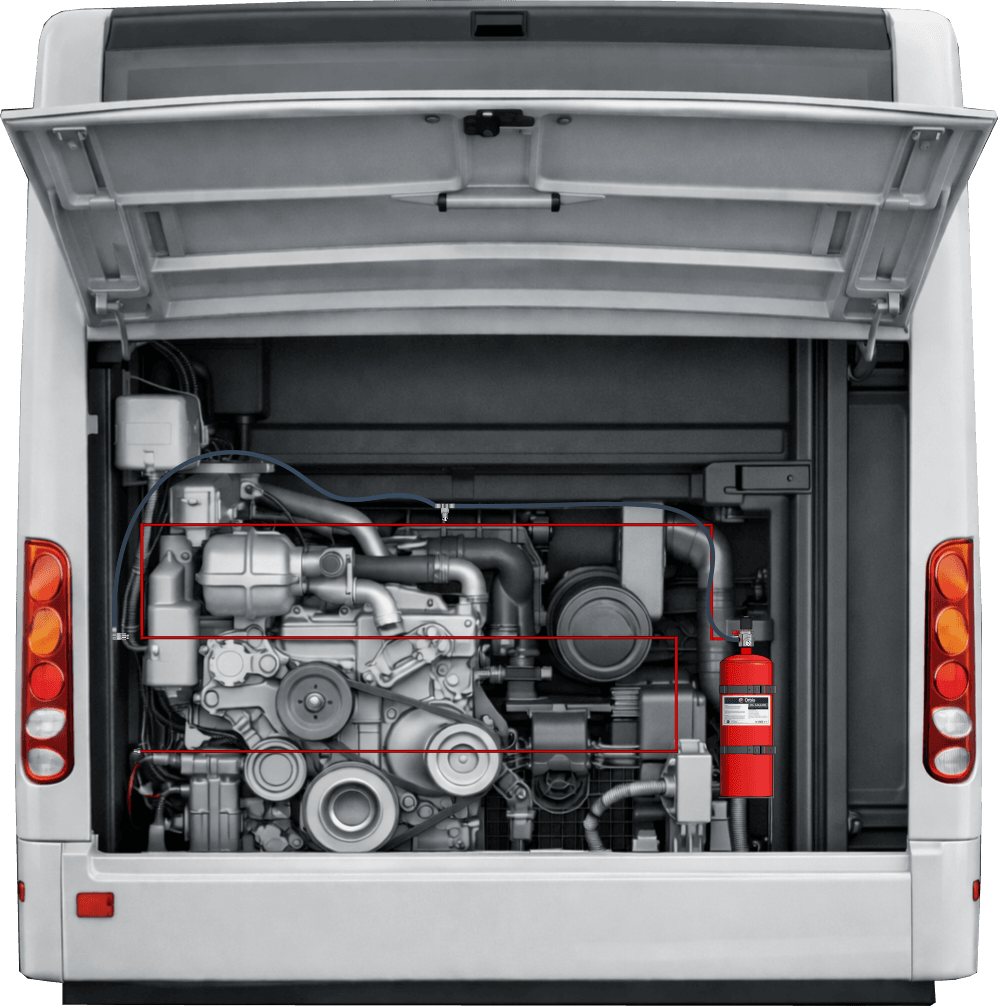
System Options for Heavy Vehicles

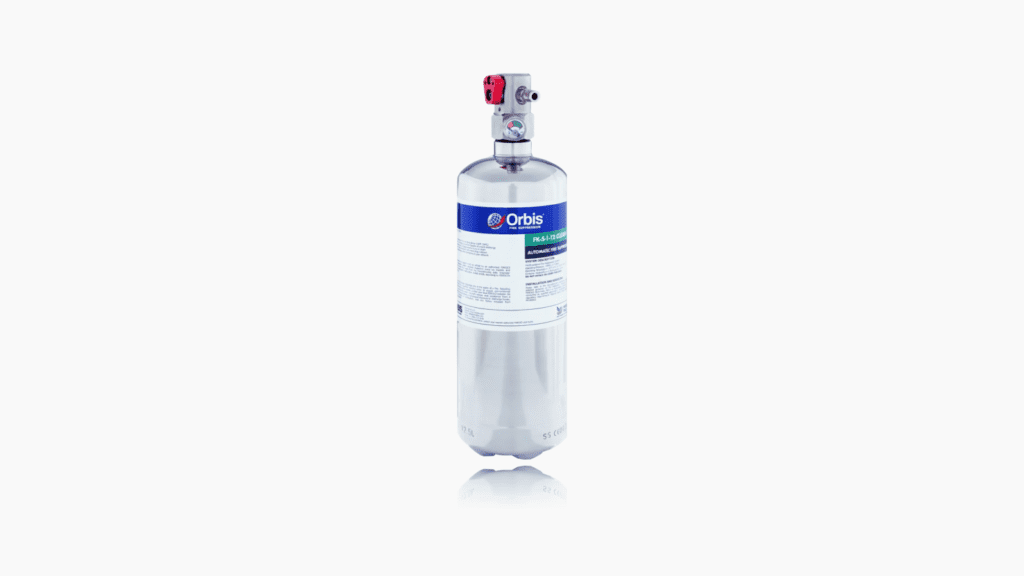
Automatic equipment-level suppression for electrical cabinets, control panels, server racks, CNC machines, telecom enclosures, and other compact high-risk assets.
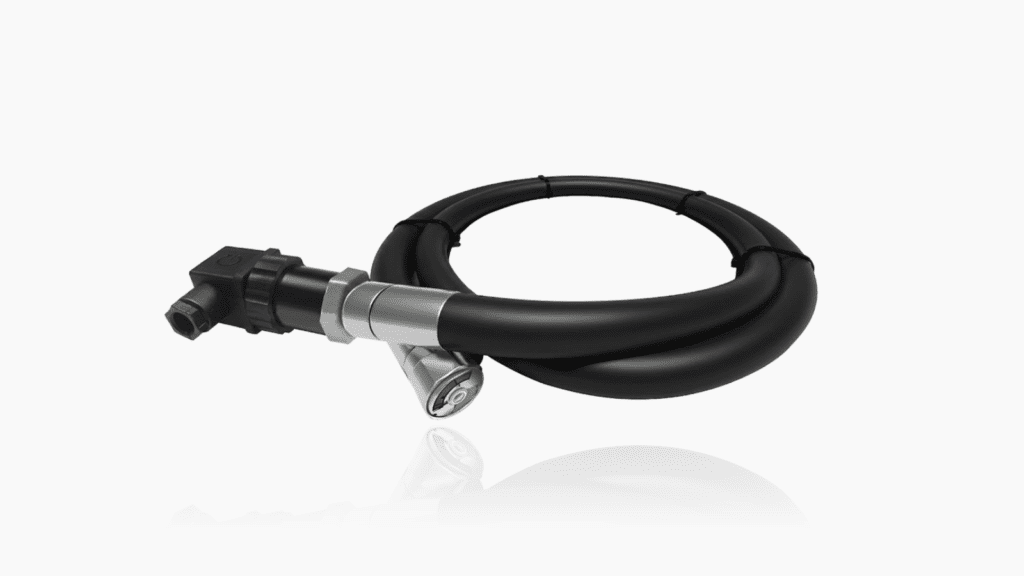
Automatic vehicle and mobile equipment fire suppression systems for engine compartments, heavy vehicles, buses, industrial machinery, and off-road equipment.
Why Orbis® for Heavy Vehicles
- Rapid, Automatic Fire Suppression
Orbis systems are engineered to detect fire conditions inside engine bays, hydraulic compartments, and electrical enclosures and respond instantly—suppressing fires at the source before they escalate into full vehicle loss.
- Designed for Fuel, Hydraulic & Electrical Fire Risks
Mining and heavy vehicles combine diesel fuel, hydraulic oil, high-temperature exhaust components, and energized electrical systems. Orbis systems are purpose-built to address these combined fire hazards in confined vehicle compartments.
- Pre-Engineered and Easy to Install
No complex system design required. Orbis systems are pre-engineered for mobile equipment and can be integrated into vehicles with minimal modification, reducing installation time and maintenance downtime.
- Self-Contained, No Power Required
All detection and actuation functions are mechanical and fully self-contained. Orbis systems operate independently of vehicle power, ensuring reliable fire protection even during electrical failure or engine shutdown.
- Cost-Effective Asset Protection
Early, localized suppression limits damage to specific compartments, helping avoid catastrophic vehicle loss, extended downtime, and costly replacement or rebuilds.
- Reliable and Proven Technology
Orbis fire suppression technology is field-proven in harsh industrial environments, providing dependable protection for mining and heavy equipment operating under continuous load and extreme conditions.
- Minimal Maintenance
With few moving parts and no reliance on electronic components, Orbis systems require minimal maintenance—ideal for remote sites and demanding duty cycles.
- Compact Design for Vehicle Enclosures
Compact system design allows installation in tight engine bays, hydraulic compartments, and electrical enclosures where traditional fire suppression systems are impractical.